Hybrid vs Electric Cars: Key Differences and Which to Choose
The main difference between hybrid and electric cars is where their energy comes from. A hybrid pairs a petrol engine with an electric motor and refuels at a petrol station. An electric car runs on its battery alone and recharges from a plug. Plug-in hybrids sit between the two. The right choice depends on where you can charge, how far you drive and how often you travel between cities. This guide compares all three, with petrol as a reference point, for drivers across the Middle East.
Key Takeaways
- A hybrid combines a petrol engine with an electric motor; an electric car uses a battery and electric motor only
- Full hybrids never need plugging in, plug-in hybrids (PHEVs) can run on petrol but are charged regularly for electric driving, and battery electric vehicles (BEVs) rely entirely on charging
- Electric cars produce no tailpipe emissions and often cost less to run, particularly with home charging, although they can cost more to buy
- Hybrids keep the familiar petrol-station routine, which suits long intercity trips and drivers without home charging
- Access to charging is the biggest single factor in choosing between hybrid and electric
Hybrid vs Electric vs Petrol Cars at a Glance
Hybrid, plug-in hybrid, electric and petrol cars differ in their energy source, whether they need charging and how far they can drive on electricity alone. The table sets out the essentials.
| Full Hybrid (HEV) | Plug-in Hybrid (PHEV) | Electric (BEV) | Petrol | |
|---|---|---|---|---|
| Energy source | Petrol engine and electric motor | Petrol engine and electric motor with a larger battery | Battery and electric motor only | Petrol engine only |
| Needs plugging in | No | Not required; regular charging maximises electric driving | Yes | No |
| Electric-only driving | Short distances at low speed | Daily commutes when charged | Every journey | None |
| Refuelling | Petrol station | Petrol station and charging | Charging only | Petrol station |
| Tailpipe emissions | Lower than petrol | Zero in electric mode | Zero | Standard |
| Suits | Drivers without charging access | Drivers who can charge and also travel far | Drivers with regular charging access | Drivers who prefer a simple routine |
What Is the Difference Between Hybrid and Electric Cars?
The difference between hybrid and electric cars is the engine. A hybrid car always carries a petrol engine alongside its electric motor. An electric car has no engine at all and draws all its power from a battery.
That single difference shapes the whole ownership experience. A hybrid is never limited by battery range, because the engine is always there. An electric car needs recharging, but in return it uses no fuel and produces no tailpipe emissions.
BEV vs PHEV: Which Should You Choose?
Choose a BEV if you can charge regularly and want to stop buying fuel altogether. Choose a PHEV if you want electric driving on daily trips, with a petrol engine ready for longer journeys.
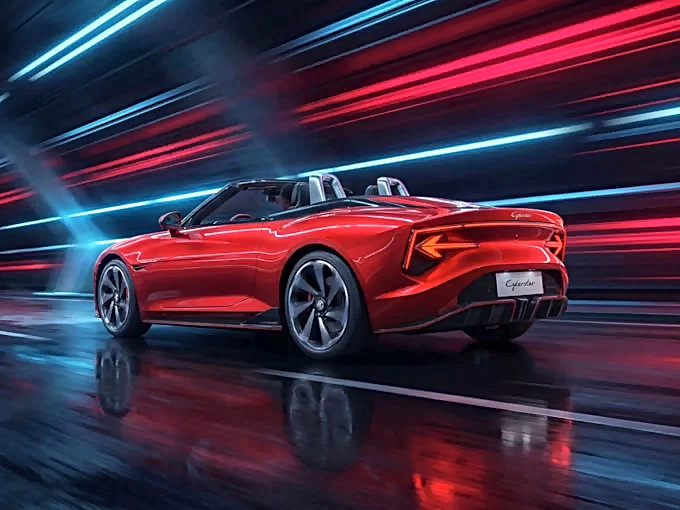
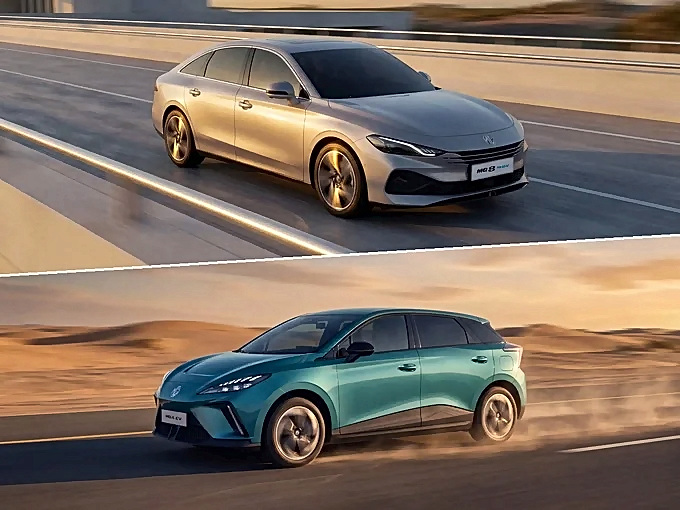
A battery electric vehicle runs entirely on electricity, every day and on every trip. It suits drivers with home or workplace charging and a routine they can plan around. The MG 4 EV brings this to a compact hatchback, while the MG Cyberster applies it to an open-top roadster.
A plug-in hybrid covers a typical daily commute on electric power when its battery is charged. Once that charge is used, the petrol engine takes over, so long trips need no planning. The benefit depends on charging habits: a PHEV that is rarely plugged in works much like a regular hybrid. The MG 8 PHEV follows this approach in a mid-size sedan.
Charging and Refuelling
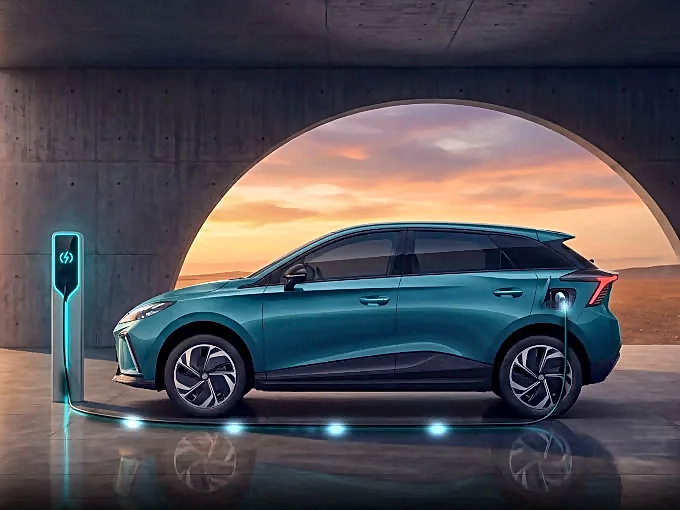
Hybrids refuel at a petrol station in a few minutes. Electric cars recharge at home, at work or at public chargers, which takes longer but can happen while the car is parked.
A full hybrid never needs a plug. Its battery recharges through the engine and regenerative braking, which recovers energy when the car slows down.
Electric cars are most convenient with home charging. Plugging in overnight means starting most days with a full battery. Public rapid chargers add range during the day or on longer trips. Plug-in hybrids use the same chargers, but their smaller batteries need less time to fill.
Range and Long-Distance Driving
A hybrid's range is set by its fuel tank, so long journeys work exactly as they do in a petrol car. An electric car's range is set by its battery, so long trips need some planning around charging stops.
For daily driving, most commutes sit comfortably within an electric car's range. The difference shows on long intercity drives. A hybrid simply refuels and continues. An electric car needs a charging stop on the route, which works best when planned in advance.
A plug-in hybrid combines both: electric range for the daily routine and petrol range for everything beyond it.
Purchase Price and Running Costs
Electric cars and plug-in hybrids often cost more to buy than comparable petrol cars, while full hybrids usually sit in between. Over time, lower running costs can offset part of that difference, particularly with home charging.
Purchase prices vary by model, trim and market, so the gap is not the same for every car. For current prices and offers, contact your local MG distributor.
Running costs often favour electric cars, because charging at home usually costs less per kilometre than petrol. Public rapid charging can cost more than home charging, so the advantage depends on where you charge, local electricity tariffs and how efficient the car is. Hybrids use less fuel than comparable petrol cars, with the biggest savings in city traffic.
Real savings also depend on fuel prices and how you drive. Stop-start traffic favours both hybrids and electric cars, since the electric motor does more of the work and regenerative braking recovers energy.
Servicing also differs. Electric cars have fewer moving parts and no engine oil to change. Hybrids keep regular engine servicing alongside their electric components.
Driving Experience
Both deliver a smooth, responsive drive. Electric cars offer instant torque and near-silent progress. Hybrids blend electric and petrol power for seamless response in town and on the highway.
An electric car delivers its full pulling power from a standstill. Acceleration is immediate, and the cabin stays quiet because there is no engine noise.
A hybrid often moves off on electric power at low speeds, then brings in the petrol engine as speed builds. The switch happens automatically, so the driver simply drives. On the highway, the engine and motor work together for confident overtaking.
Environmental Impact
Electric cars produce zero tailpipe emissions. Hybrids produce lower tailpipe emissions than comparable petrol cars, and plug-in hybrids can drive emission-free on short trips when charged.
The full picture also includes how electricity is generated and how batteries are produced. As more electricity comes from renewable sources, the overall footprint of electric driving falls further.
Pros and Cons of Hybrid and Electric Cars
Hybrids offer flexibility and a familiar routine. Electric cars offer zero tailpipe emissions and often lower running costs. Each comes with trade-offs worth weighing.
| Type | Pros | Cons |
|---|---|---|
| Full Hybrid (HEV) | No charging needed, lower fuel use in city traffic, familiar refuelling | Still uses petrol, limited electric-only driving |
| Plug-in Hybrid (PHEV) | Electric commuting when charged, petrol engine for long trips | Needs regular charging to deliver its full benefits, often a higher purchase price |
| Electric (BEV) | Zero tailpipe emissions, often lower running costs with home charging, instant torque and a quiet cabin | Often a higher purchase price, charging takes longer than refuelling, long trips need charging stops |
How Do Hybrid and Electric Cars Compare to Petrol?
Compared with petrol cars, hybrids use less fuel with the same refuelling routine, and electric cars remove fuel from the equation entirely. Petrol cars keep the simplest setup, with no battery to charge.
Hybrid vs Petrol Cars
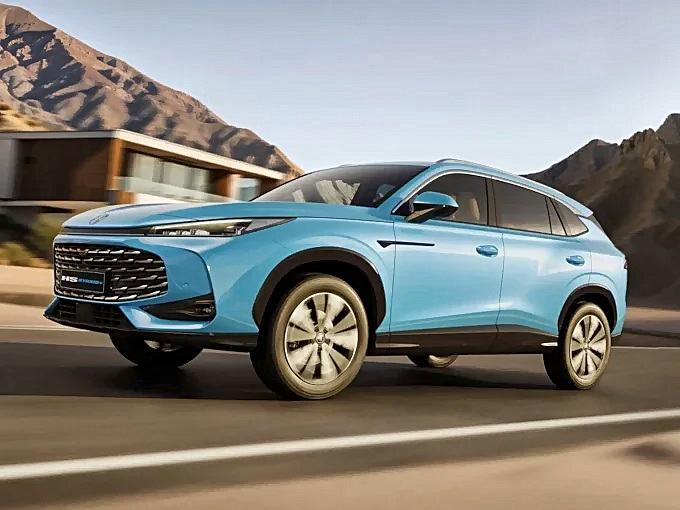
A hybrid uses less fuel than a comparable petrol car, especially in stop-start traffic where the electric motor does more of the work. Refuelling stays the same, so nothing changes in your routine. The MG HS is available both as a petrol SUV and as the MG HS Hybrid+, so the choice can come down to the powertrain alone.
Electric vs Petrol Cars
An electric car replaces fuel with electricity: no petrol stations, no tailpipe emissions and fewer moving parts. The trade-off is time. Charging takes longer than refuelling, although home charging means it usually happens overnight.
When Petrol Remains the Natural Choice
Petrol suits drivers without regular access to charging who prefer a straightforward refuelling routine. It also comes in every main body style, so the choice can start with the type of car you need.
For city driving and easy parking, the MG 3 hatchback keeps things compact. Drivers who prefer a separate boot and a low, composed ride can choose from three sedans: the MG 5, the MG GT and the MG 7.
If a higher driving position and more flexible cargo space matter more, the MG ZS, MG One and MG HS cover the SUV range. For larger families, the MG RX9 adds a third row of seats.
Hybrid vs Electric in Middle East Conditions
Hybrid and electric cars both work well in the Middle East. Summer heat, long distances and access to charging decide which suits your routine best.
Summer Heat
Modern hybrids and electric cars use thermal management systems to keep the battery within its working temperature, even in high summer heat. Air conditioning draws power from the battery, so an electric car's range can be lower on the hottest days. Shaded or covered parking keeps both the cabin and the battery cooler.
Long Highway Journeys
Hybrids handle long intercity drives exactly like petrol cars. Electric cars handle them with planned charging stops. Rapid charger coverage varies between countries and routes, so check the chargers along your route before setting off. A plug-in hybrid removes the question, switching to petrol once its electric range is used.
Charging at Home vs Apartment Living
Home charging is what makes an electric car most convenient. Villas and homes with private parking can usually install a home charger. In apartment buildings, charging depends on the building's facilities. Without them, a full hybrid needs no charging at all, and a plug-in hybrid can still use workplace or public chargers when available.
Hybrid or Electric: Which Is Right for You?
Choose an electric car if you can charge at home or work and most of your driving is local. Choose a hybrid if charging is difficult or you regularly drive long distances. Four questions narrow the choice.
Can You Charge at Home or Work?
If yes, an electric car such as the MG 4 EV or a plug-in hybrid such as the MG 8 PHEV makes the most of it. If not, the MG HS Hybrid+ charges itself as you drive.
How Far Do You Drive Each Day?
Short, predictable daily distances suit electric driving, in either a BEV or a charged PHEV. Longer or less predictable days suit a hybrid, which never depends on the last charge.
How Often Do You Take Long Trips?
Frequent intercity drives favour a hybrid or plug-in hybrid. If long trips are occasional, an electric car handles them well with a little route planning.
How Much Space Do You Need?
Families looking for SUV space can choose the MG HS Hybrid+, while those who need a third row of seats will find more room in a 7-seater SUV. The MG 8 PHEV offers a mid-size sedan cabin, and the MG 4 EV a compact hatchback. For open-top driving, the MG Cyberster roadster is fully electric.
Driving the Future: Your MG Awaits
There is no single winner between hybrid and electric cars. Each suits a different routine, and the right one is the one that fits how you drive.
Electric cars suit drivers with reliable charging who want zero tailpipe emissions and the potential for lower running costs. Hybrids suit drivers who want lower fuel use without changing how they refuel. Plug-in hybrids bridge the two, and petrol remains a straightforward choice where charging is not practical.
MG offers all four across its range, from the self-charging MG HS Hybrid+ and the MG 8 PHEV to the fully electric MG 4 EV and MG Cyberster. Explore the full MG model range, see what the MG warranty covers, or book a test drive at your nearest MG showroom to compare them on the road.