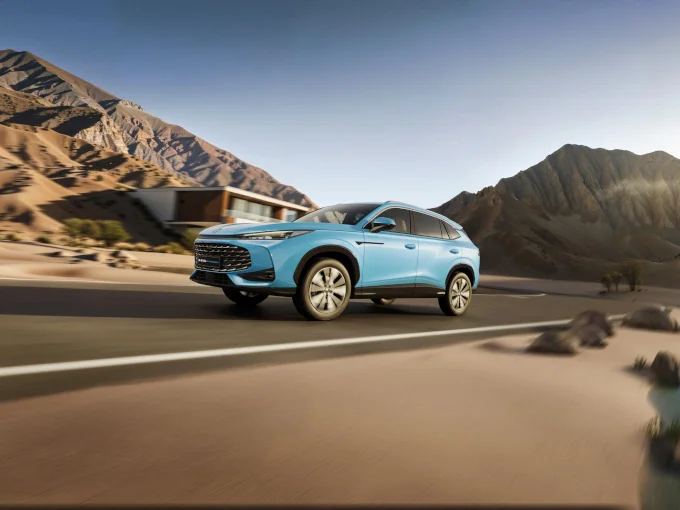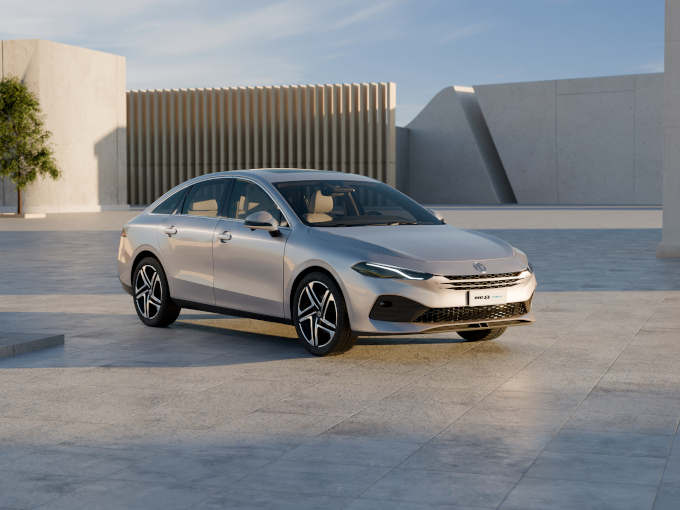
What Is a Hybrid Car? Mild, Full & Plug-in Hybrids Explained
A hybrid car pairs a traditional combustion engine with an electric motor and battery, working together to cut fuel use and lower emissions. Unlike electric cars, a hybrid never needs plugging in unless it is a plug-in hybrid (PHEV) — most recharge themselves through regenerative braking. For drivers across the Middle East, hybrid technology offers a practical middle ground: fewer stops at the pump, lower running costs, and a driving experience that adapts intelligently to the road ahead.
Key Takeaways
- Hybrids reduce fuel consumption without needing to be plugged in (except PHEVs)
- Regenerative braking recharges the battery automatically during everyday driving
- Three main types exist: mild hybrid (MHEV), full hybrid (HEV), and plug-in hybrid (PHEV)
- Fuel savings are greatest in stop-start city traffic, common across the region's major cities
- The right type depends on daily driving distance and access to charging
What Does "Hybrid" Mean?
"Hybrid" means a vehicle that draws power from more than one energy source. In almost every modern hybrid car, that means a petrol engine working alongside an electric motor and a battery pack. The term comes from the same idea used in biology and technology: combine two systems to create something more capable than either on its own.
In a car, each source plays to its strengths. The engine brings long range and the convenience of refuelling at any petrol station. The electric motor brings instant torque, quiet low-speed driving and lower fuel use. An onboard control unit decides, second by second, which source to use.
How Do Hybrid Cars Work?
A hybrid car works by switching between, or blending, power from its combustion engine and its electric motor depending on driving conditions. At low speeds or in stop-start traffic, the electric motor often takes the lead, reducing fuel use. Under load — accelerating or climbing — the engine and motor work together for a stronger, smoother response. The battery recharges through regenerative braking, which captures energy normally lost as heat and feeds it back into the system. An onboard control unit manages all of this automatically, so the driver simply drives. In practice, a hybrid moves between four operating modes.
Electric-Only Mode
Electric-only mode is when a full or plug-in hybrid moves using only its electric motor, with the engine switched off. It typically engages when pulling away, crawling through traffic, manoeuvring in car parks or cruising gently at low speeds. In this mode the car uses no fuel, produces no tailpipe emissions and the cabin is noticeably quieter.
A full hybrid can sustain electric-only driving for short distances before the engine restarts. A plug-in hybrid, with its larger battery, can stay electric for much longer and at higher speeds. Mild hybrids cannot drive on electric power alone.
Engine-Only Mode
In engine-only mode, the combustion engine drives the wheels on its own, usually at steady cruising speeds on the highway. This is where a petrol engine runs most efficiently, so the system lets it do the work instead of draining the battery. At the same time, the engine can send surplus energy to the battery, topping it up for the next stretch of city driving. For the driver, the switch is seamless: no button to press, no change in how the car is driven.
Combined Mode
Combined mode is when the engine and electric motor drive the car together for maximum response. It is used under hard acceleration, when overtaking, when merging onto a highway or when climbing a steep incline. The electric motor delivers its torque instantly, filling the gap while the engine builds revs. The result is quicker, smoother acceleration than the engine could deliver on its own, without the need for a larger, thirstier engine.
Regenerative Braking and Charging
Regenerative braking is how a hybrid recharges its battery while driving. When you lift off the accelerator or press the brake, the electric motor reverses its role and works as a generator. It converts the car's momentum into electricity and stores it in the battery, instead of wasting it as heat in the brakes. That energy is then reused to power the electric motor.
Plug-in hybrids add a second charging route. They can be charged from a home wall box, a standard socket or a public charger, with a wall box usually the quickest everyday option.
Types of Hybrid Cars
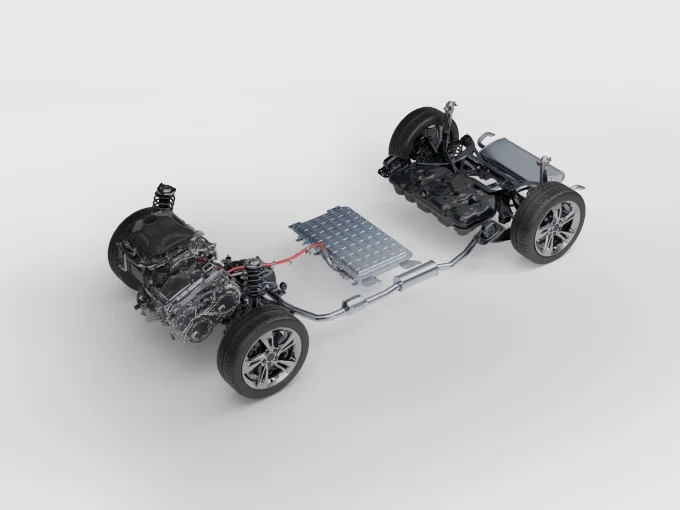
There are three main types of hybrid car: mild hybrid (MHEV), full hybrid (HEV) and plug-in hybrid (PHEV). They differ in battery size, in how much the electric motor can do on its own, and in whether the car needs to be plugged in. Mild hybrids offer the lightest electric assistance. Full hybrids add electric-only driving without ever needing a plug. Plug-in hybrids go furthest, charging externally for an extended electric range. Knowing which is which is the fastest way to match a hybrid to how you actually drive.
Mild Hybrid (MHEV)
A mild hybrid uses a small electric motor, usually as part of a 48-volt system, to support the combustion engine. The motor assists during acceleration, restarts the engine smoothly in stop-start traffic and recovers energy when braking. It cannot drive the car on electric power alone, so the engine always does the main work.
The result is a smoother drive and a modest cut in fuel use, with no change to how you use or refuel the car. Mild hybrids are the simplest and most accessible step into hybrid technology.
Full Hybrid (HEV) — Self-Charging
A full hybrid can drive on electric power alone for short distances at low speeds, and it never needs to be plugged in. It has a larger battery and a more powerful electric motor than a mild hybrid. The battery charges itself through regenerative braking and through the engine, and the system switches between electric, petrol and combined power automatically.
This makes a full hybrid the most straightforward way to cut fuel use in city driving, with zero change to your routine. The MG HS Hybrid+ is built on this principle.
Plug-in Hybrid (PHEV)
A plug-in hybrid carries a much larger battery that you charge from an external power source, such as a home wall box or a public charger. A full charge unlocks an electric-only range that can exceed 100 km on some models, enough to cover most daily commutes without using fuel.
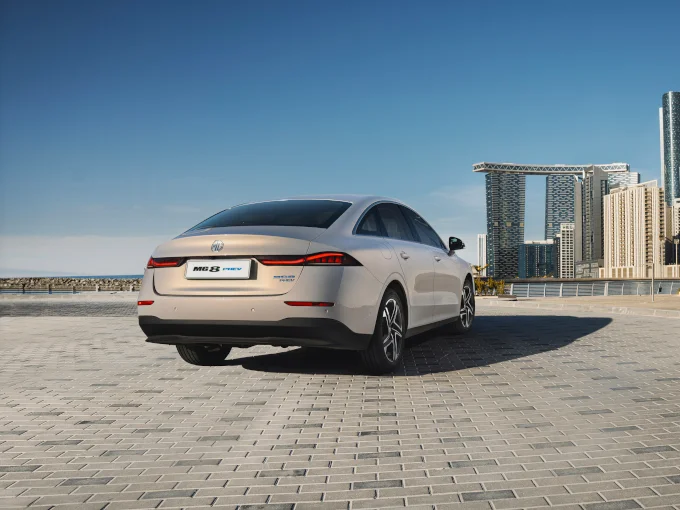
Once that range is used, the car continues as a regular hybrid: the combustion engine takes over and regenerative braking keeps recovering energy. That removes any concern about running out of charge on longer journeys. The MG 8 PHEV is engineered around this approach.
Here is how the three types compare at a glance:
| Type | Needs Charging | Electric-Only Range | Best For |
|---|---|---|---|
| Mild Hybrid (MHEV) | No | None | Everyday efficiency with no change in routine |
| Full Hybrid (HEV) | No | Short distances at low speed | Self-charging simplicity, city driving |
| Plug-in Hybrid (PHEV) | Yes (optional) | Extended, tens of kilometres | Predictable daily commutes with long-trip flexibility |
Understanding these distinctions makes it easier to choose the hybrid that fits your journey.
Why Choose a Hybrid Car? Key Benefits
The main benefits of a hybrid car are lower fuel consumption, reduced emissions, no range anxiety, less brake wear and a smoother, quieter drive. Hybrid technology gives drivers a practical answer to rising fuel costs and tightening emissions expectations, without asking them to rethink how they drive.
Fuel consumption drops noticeably in city traffic and stop-start conditions, while tailpipe emissions fall compared with a conventional petrol-only vehicle. Because the combustion engine is always available as a backup, there is no range anxiety to worry about. Regenerative braking reduces wear on braking components over time, and the instant torque from the electric motor makes for a smoother, quieter drive overall.
| Benefit | Hybrid Car | Conventional Petrol Car |
|---|---|---|
| Fuel consumption | Lower, especially in city driving | Higher, no electric assistance |
| Emissions | Reduced tailpipe emissions | Standard combustion emissions |
| Braking wear | Reduced through regenerative braking | Standard wear over time |
| Refuelling | Same as petrol, plus optional charging for PHEVs | Petrol only |
| Driving feel | Smoother, instant torque at low speed | Traditional combustion response |
Things to Consider Before Buying a Hybrid
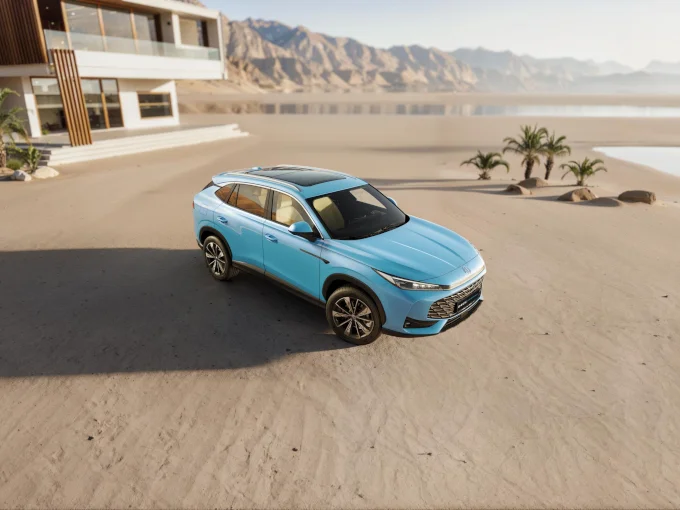
Before buying a hybrid, consider four things: how and where you drive, whether you can charge, the balance between purchase price and running costs, and the battery warranty. A hybrid delivers its biggest gains when your driving matches its strengths, so knowing the trade-offs upfront makes it far easier to pick the right type.
Your Driving Pattern Matters
Hybrids save the most fuel in stop-start city driving. Every time the car slows down, regenerative braking recovers energy, and at low speeds the electric motor can do much of the work. On long, steady highway journeys, the engine carries more of the load and the fuel advantage over a petrol car narrows.
If most of your driving is urban commuting, school runs and errands, a hybrid will make the biggest difference. Larger families weighing up space as well as efficiency may also want to compare 7-seater SUVs before deciding. If you mostly cover long highway distances, the gains are smaller but still there.
Plug-in Hybrids Reward Regular Charging
A plug-in hybrid only delivers its full benefit if you charge it regularly. Its electric-only range is its biggest advantage: plug in overnight, and many daily commutes can run entirely on electricity. Skip charging, and a PHEV behaves much like a full hybrid carrying a heavier battery, which reduces the savings.
Before choosing a plug-in hybrid, check whether you have access to a home wall box, a charger at work or reliable public charging near your daily route.
Purchase Price vs Running Costs
A hybrid typically costs more to buy than a comparable petrol-only car, because of its battery, electric motor and control systems. That gap is offset over time by lower fuel consumption and reduced brake wear from regenerative braking.
How quickly the difference pays back depends on how many kilometres you drive and how much of that is in city traffic. Drivers with long daily commutes in congested conditions usually see the fastest return.
Battery Warranty and Servicing
The high-voltage battery is a key component of any hybrid, so check the battery warranty before you buy. Hybrid batteries are typically covered by a dedicated warranty, separate from the standard vehicle warranty. Look at both the duration and the mileage limit.
On a GCC spec hybrid, battery life depends heavily on how well the battery is kept cool, as the system is built for the region's heat. Regular servicing at an authorised service centre keeps that cooling system and the hybrid drive in good condition, which supports long-term performance and reliability.
Hybrid Driving in the Middle East
Hybrid cars in the Middle East are well suited to local conditions. The region combines dense city traffic, long distances between cities and extreme summer heat, and modern hybrids sold here are designed to handle all three. Hybrid choice in the region has also grown quickly, with Chinese cars now offering a wide range of electrified powertrains alongside petrol models.
City Traffic
Stop-start city traffic is where hybrids deliver their biggest fuel savings. Rush-hour commutes in the region's major cities involve frequent braking, queuing and slow crawling, all of which suit a hybrid's electric motor. The motor handles pull-aways and low-speed movement, while every slowdown sends energy back to the battery.
In a conventional petrol car, this kind of driving is the least efficient. In a hybrid, it is exactly where the system works hardest for you.
Long Regional Journeys
For long regional journeys, a hybrid offers the same freedom as a petrol car. Intercity and cross-border trips can cover hundreds of kilometres, often through areas where charging points are few and far between. With a combustion engine always on board, a hybrid refuels in minutes at any petrol station, so there is no need to plan the route around charging stops.
On the highway, the engine runs in its most efficient range, and the electric motor still assists when overtaking.
High Temperatures
Hybrids sold in the region are built to operate in summer temperatures that regularly exceed 45°C. Dedicated cooling systems manage the temperature of the battery and electric drive unit, as with any vehicle designed for GCC conditions.
If you are searching for the best hybrid SUV for Middle East summer conditions, look beyond fuel economy: battery cooling and air-conditioning performance matter just as much in peak summer heat. Parking in shade or in covered parking where possible reduces heat load on the battery and the cabin, and following the recommended service schedule keeps the cooling system working as intended through every summer.
Which Type of Hybrid Is Right for You?
The right hybrid comes down to three questions: can you charge, how far do you drive each day, and how much do you want your routine to change? Answer those, and the choice between a mild, full or plug-in hybrid becomes clear.
Can You Charge at Home or Work?
If you can charge at home or work, a plug-in hybrid is usually the best fit. Plugging in overnight or during the working day means most daily driving can run on electric power alone, with the engine only stepping in for longer trips.
A home wall box offers the most convenient routine, but a charger at your workplace or regular access to public charging works too. The more often you charge, the more fuel you save.
Do You Want Zero Change to Your Routine?
If you want zero change to your routine, choose a full hybrid. It recharges itself as you drive, through regenerative braking and the engine, so there is no plug, no charging schedule and no change to how you refuel. You fill up at a petrol station as you always have, just less often.
It is the most straightforward choice for drivers without dedicated parking or anyone who simply does not want to think about charging.
How Far Is Your Daily Commute?
Your daily distance decides which hybrid saves you the most. Shorter, predictable commutes that fit within a plug-in hybrid's electric-only range let you drive most days without using fuel. Longer or less predictable driving days suit a full hybrid better, since its efficiency never depends on when you last charged.
If your commute is long and mostly on the highway, the difference between the two narrows.
Is a Mild Hybrid Enough?
A mild hybrid is enough if you mainly want a smoother, slightly more efficient petrol car. It adds electric assistance during acceleration and smoother engine restarts in traffic, without the cost of a larger battery.
It cannot drive on electricity alone, so the fuel savings are smaller than with a full or plug-in hybrid. In return, it needs no adjustment at all and is the most accessible entry point into hybrid technology.
Within the MG range, the HS Hybrid+ covers the self-charging route, while the MG 8 PHEV covers the plug-in route.
Driving Forward with Hybrid Technology
A hybrid car is the simplest way to cut fuel use and emissions without changing how you drive. Mild hybrids add a gentle electric boost to a petrol engine. Full hybrids add electric-only driving at low speeds, with no plug required. Plug-in hybrids add a real electric range for daily commutes, backed by an engine for longer trips.
The best choice starts with your routine, not the technology. Consider how far you drive each day, how much of that is in city traffic and whether you can charge at home or work. Then experience it for yourself: explore the full MG model range, or book a test drive at your nearest MG showroom and feel how a hybrid adapts to your journey.