What Is a Sedan? Meaning, Types and Benefits Explained
A sedan is a passenger car with four doors, a fixed roof, two rows of seats and a separate, closed boot. Its shape follows a "three-box" layout: one compartment for the engine, one for the passengers and one for the luggage. That simple design is why this body style has been the default family and business car for decades. It rides comfortably, stays quiet at speed and keeps your belongings secure, making it a natural fit for daily commuting and long regional drives alike.
Key Takeaways
- A sedan has four doors, a fixed roof, two rows of seats and a separate boot
- The three-box design keeps the engine, cabin and cargo in their own compartments
- The main types are grouped by roofline (notchback, fastback, liftback) and by size (compact, mid-size, full-size)
- Main advantages: comfort, stable handling, fuel efficiency and a secure boot; main drawbacks: lower ground clearance and less flexible cargo space
- It suits drivers who mostly use paved roads and value a quiet, comfortable ride
What Does "Sedan" Mean?
"Sedan" is the name for a closed passenger car with four doors and a separate boot. In British English the same body style is called a "saloon", so the two terms describe exactly the same car, just named differently on each side of the Atlantic.
The word is older than the car itself. It was first used for the sedan chair, an enclosed seat carried on poles by two bearers. Like that chair, the car version was designed around one idea: carrying passengers in comfort, inside a closed and protected cabin. Its exact roots are debated, though the Latin sedere, "to sit", is the most common explanation.
The name moved from chairs to carriages, and then to cars in the early 20th century, as enclosed passenger cars began to replace open-top models.
Today, the term describes a body style, not a size or a price point. A compact city car and a full-size executive model can both qualify, as long as they share the same basic layout.
The Three-Box Design Explained
The three-box design is what defines a sedan: the car is divided into three distinct volumes, each with its own job. Seen from the side, you can trace them easily: the bonnet, the cabin and the boot. This separation shapes almost everything about how the car drives, sounds and carries luggage.
The Engine Compartment
The first box sits at the front and houses the engine and drivetrain. In most modern four-door cars the engine is mounted at the front and drives the front wheels, which frees up space in the cabin and keeps the floor flat. A clearly defined bonnet also adds a crumple zone ahead of the passengers, one of the reasons the layout has stayed so popular.
The Passenger Cabin
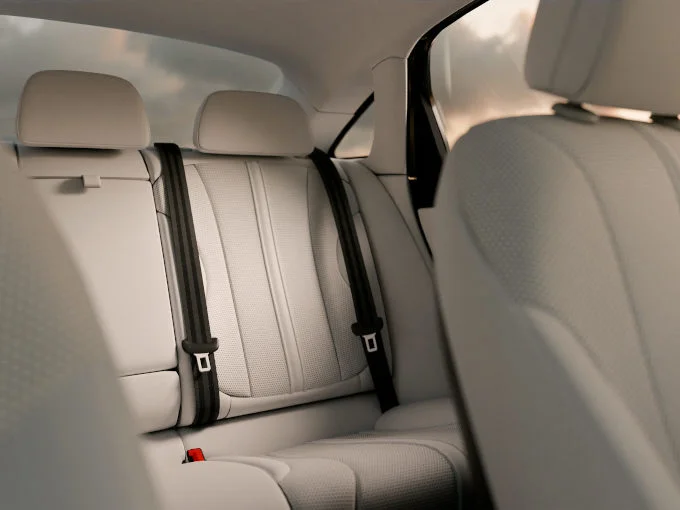
The middle box is the cabin, with two rows of seats and four doors. Front and rear passengers each get their own door, so no one has to fold a seat forward to climb in. Because the luggage sits in its own compartment behind them, the cabin stays a dedicated space for people: quieter, easier to cool and free from shifting bags.
The Boot
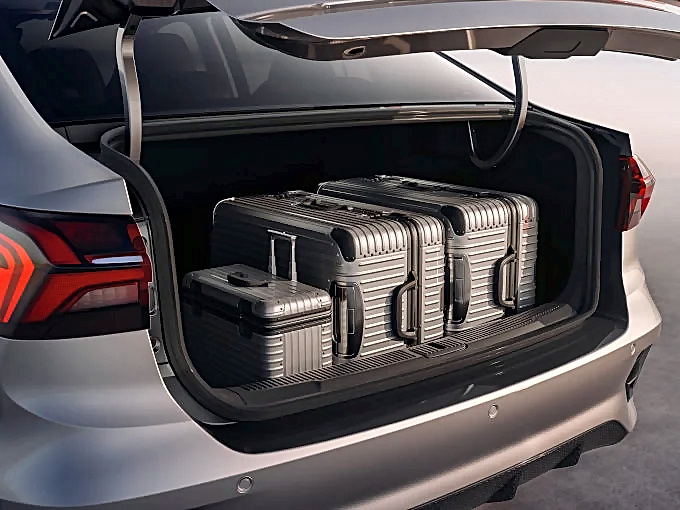
The third box is the boot, also known as the trunk: a closed compartment with its own lid. It opens below the rear window, not together with it. That keeps road noise and summer heat from the cargo area out of the cabin, and it keeps anything you carry out of sight when the car is parked.
What Classifies a Car as a Sedan?
A car is classified as a sedan when it combines five features. If a car has all five, it belongs to this body style, whatever its size or price.
- Four doors, two for the front row and two for the rear
- A fixed roof, usually supported by a pillar between the front and rear doors
- Two rows of seats, typically for five passengers
- A separate boot with its own lid, closed off from the cabin
- A rear window that stays in place when the boot opens
Types of Sedans
Three-box cars are grouped in two ways: by the shape of their roofline and by their overall size. The roofline decides the car's silhouette and rear headroom. The size decides cabin space, boot capacity and how easy the car is to park. Every model fits one category from each group.
Notchback
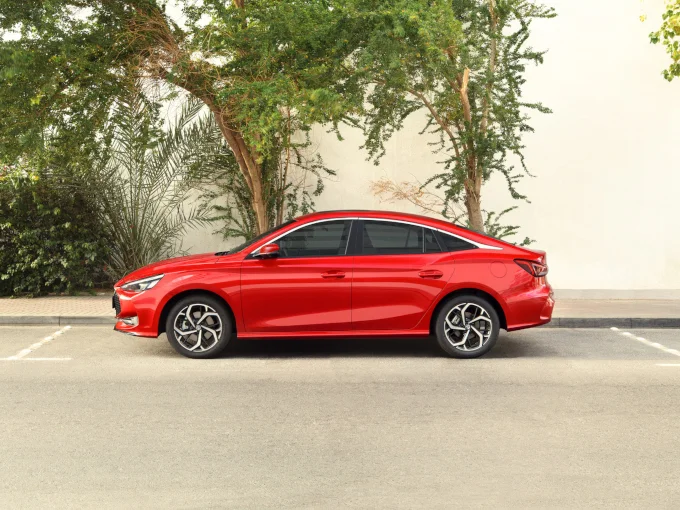
A notchback is the classic three-box shape. The rear window drops at a steep angle, then the boot lid runs almost flat, creating a visible "notch" between the cabin and the boot. This profile gives rear passengers generous headroom and makes the boot opening wide and square, easy to load with suitcases. The MG 5 follows this classic three-box profile.
Fastback
A fastback has a roofline that slopes in one long, smooth line from the roof down towards the tail. It gives the car a more athletic, aerodynamic profile while keeping four doors and a separate boot. The MG GT is one example of this four-door fastback layout.
The trade-off is usually a little less rear headroom than a notchback, which matters most for taller passengers on longer journeys.
Liftback
A liftback looks like a fastback, but its rear window lifts together with the boot lid as one large opening. It keeps the sleek four-door silhouette while making bulky items easier to load. Because of that opening, liftbacks sit on the border between sedans and hatchbacks and are sometimes classed as either.
Sports Sedan
A sports sedan keeps four doors and a separate boot but puts driving dynamics first: sharper steering, firmer suspension and a more athletic design. Fastback rooflines and performance-focused models often go together, since the sloping profile suits that look. It is the choice for drivers who want everyday practicality without giving up driving enjoyment.
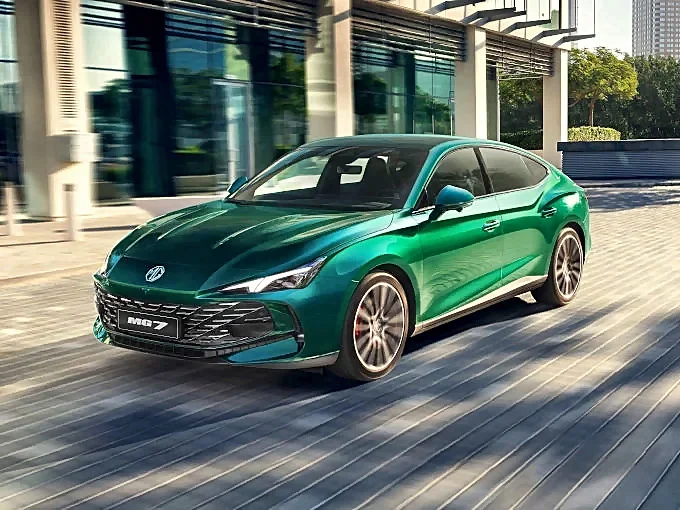
The MG 7 brings these ideas together: a fastback silhouette, supportive front seats and a cabin built around the driver, all within a four-door body. It shows how a driver-focused model can still work as a practical everyday car.
Compact, Mid-Size and Full-Size
By size, four-door cars fall into three broad classes. Compact models are easy to park and efficient, ideal for city driving and first-time owners. Mid-size models add rear legroom and boot space for families and regular highway use. Full-size models, often called executive cars, put rear-seat comfort and refinement first.
Here is how the main types compare at a glance:
| Type | Defining feature | Strength | Best for |
|---|---|---|---|
| Notchback | Distinct step between rear window and boot | Rear headroom, square boot opening | Families, frequent rear passengers |
| Fastback | Long, sloping roofline | Athletic, aerodynamic profile | Drivers who value design and dynamics |
| Liftback | Rear window lifts with the boot lid | Larger loading opening | Drivers who carry bulky items now and then |
| Sports sedan | Performance-focused tuning and design | Driving enjoyment | Enthusiasts who still need four doors |
| Compact | Shorter overall length | Easy parking, lower running costs | City driving, first-time owners |
| Mid-size | Balanced length and cabin space | Rear legroom, larger boot | Daily commuting plus long trips |
| Full-size | Long wheelbase, spacious rear | Rear-seat comfort and refinement | Business use, chauffeur-style travel |
Knowing both labels, shape and size, is the quickest way to narrow down which model suits you.
Advantages of a Sedan
The main advantages of a sedan are ride comfort, stable handling, fuel efficiency, a secure boot, easy access and seating for five. These come directly from its shape: a lower body, a closed cargo area and a cabin built only for people.
Comfort and Refinement
This body style is known for a calm, composed ride. Separating the boot from the cabin reduces road and tyre noise from the rear, so conversations stay easy at highway speeds. That refinement is a large part of the body style's luxury appeal: even an everyday four-door car feels settled and quiet, the qualities buyers associate with executive models.
Stable Handling
A three-box car sits lower to the road than an SUV, so its centre of gravity is lower too. The result is less body roll in corners and a more planted feel on fast, open roads. Drivers who enjoy driving often prefer this direct, connected feel.
Fuel Efficiency
Three-box cars are typically lighter and more aerodynamic than taller vehicles of a similar size. Less weight and less drag mean the engine works less to keep the car moving, which usually translates into lower fuel use, especially on the highway.
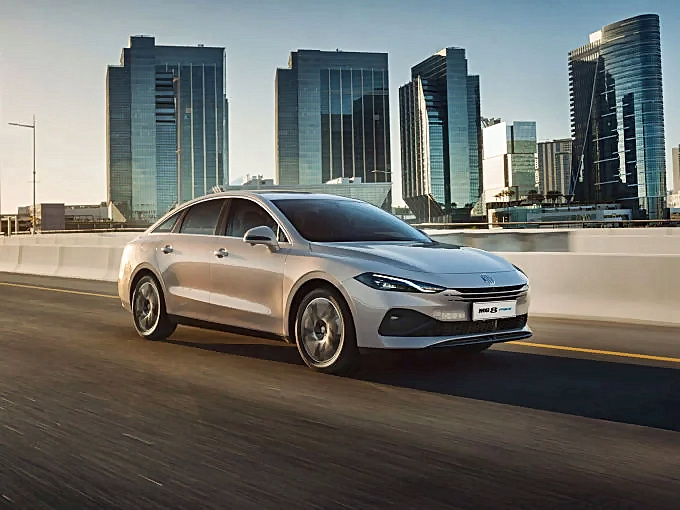
Electrified powertrains take this further. Hybrid cars pair the engine with an electric motor to cut fuel use in city traffic, while electric cars remove fuel from the equation entirely. The MG 8 PHEV shows how both ideas fit into a four-door body: a mid-size plug-in hybrid that can cover daily commutes on electric power alone and switch to its engine for longer trips.
Security for Your Belongings
A closed boot keeps bags, shopping and equipment out of view when the car is parked. It also keeps them in their own space while you drive, away from the cabin, so nothing slides into the passenger area under braking.
Easy to Get In and Out
The seats sit at a natural height, so passengers step in and out without climbing up or dropping down. That makes everyday trips easier for children, older passengers and anyone with limited mobility.
Seating for Five
Most models seat five people across two rows, with a dedicated door for each rear passenger. That is enough for couples, small families and professionals who regularly drive colleagues or clients.
Disadvantages of a Sedan
The main disadvantages of a sedan are lower ground clearance, a less flexible cargo area, limited towing and off-road ability, and less rear headroom in sloping-roof designs. None of these matter for every driver, but knowing them upfront makes the choice easier.
Lower Ground Clearance
These cars sit lower than SUVs, which helps handling but leaves less room underneath. On paved city roads and highways this rarely matters. If your routine includes unpaved tracks, steep driveways or high kerbs, take that into account.
Less Flexible Cargo Space
The boot can hold a lot, but its opening is smaller than a tailgate. Suitcases, shopping and sports bags fit easily. Tall or bulky items, such as a pram or a large box, can be harder to load. If you carry them often, check the opening size and whether the rear seats fold to extend the load space.
Limited Towing and Off-Road Ability
This body style is designed for paved roads. A lower body and road-focused suspension make it less suited to sand, rough tracks or towing heavy trailers. If either is a regular part of your driving, a vehicle built for that job will serve you better.
Rear Headroom in Sloping Designs
Rear headroom varies more between models than front-seat space does. Fastbacks trade some rear headroom for their sloping roofline, while notchbacks and longer models usually offer more. If adults regularly ride in the back, sit in the rear seat yourself before deciding.
Here are the main advantages and disadvantages at a glance:
| Advantages | Disadvantages |
|---|---|
| Comfortable, quiet ride | Lower ground clearance |
| Stable, composed handling | Smaller boot opening than a tailgate |
| Typically lower fuel use than taller vehicles | Not built for towing or off-road driving |
| Secure, closed boot | Less rear headroom in fastback designs |
| Easy access and seating for five | Fewer seats than larger family vehicles |
Is a Sedan a Luxury Car?
A sedan is not a luxury car by definition. The term describes a body style, and it spans everything from compact, budget-friendly city cars to full-size executive models. What the layout does offer is a natural fit for luxury: a quiet, separated cabin, a smooth ride and a low, elegant profile.
That is why executive and chauffeur-driven cars have traditionally been sedans. A long wheelbase adds rear legroom, and the closed boot keeps the cabin calm. Even an everyday four-door car borrows some of these qualities, which is a large part of its lasting appeal.
What Makes a Four-Door Car Feel Premium?
A four-door car feels premium when its design and equipment build on the strengths of the three-box layout. The details that make the biggest difference are:
- Rear-seat space, especially legroom on longer-wheelbase models
- Cabin insulation that keeps road and wind noise low at highway speeds
- Ride comfort from suspension tuned for smoothness over bumps
- Interior materials and finish, from seat upholstery to soft-touch surfaces
- Comfort features such as a sunroof, rear air vents and powered seats
Sedan Driving in the Middle East
This body style suits the way people drive across the Middle East. The region combines busy city commutes, long highway distances between cities and extreme summer heat, and the three-box layout has an answer for each. Choice has also widened, with Chinese cars now offering four-door models alongside SUVs and electrified options.
City Commuting
In city traffic, manageable size and light steering make daily driving easy. Compact and mid-size models fit into tight parking spaces and narrow residential streets more easily than larger vehicles. Their lower weight also helps keep fuel use down in stop-start conditions.
Long Highway Journeys
On long highway drives, this body style plays to its strengths. A low, aerodynamic shape stays stable at cruising speeds, and a quieter cabin makes hours behind the wheel less tiring. For intercity and cross-border trips, that combination of stability, comfort and efficiency makes them noticeably easier.
Summer Heat
The closed boot is a practical advantage when summer temperatures regularly exceed 45°C. Because the cabin is separated from the cargo area, the air-conditioning cools a smaller space, and it does not have to work against heat building up in the luggage area.
Shopping and luggage also stay out of direct sunlight. Parking in shade or covered parking where possible still helps, keeping both the cabin and the boot cooler.
Is a Sedan Right for You?
A sedan is right for you if most of your driving happens on paved roads, you value a quiet, comfortable ride and your cargo is mostly bags and luggage rather than bulky items. Four questions make the answer clear.
Where Do You Drive Most?
If your driving is mostly city streets and highways, this body style is a strong fit. It handles well, runs efficiently and feels composed at speed. If you regularly leave paved roads, a vehicle with more ground clearance will suit you better.
Who Rides With You?
A four-door car comfortably carries up to five people, making it a good choice for couples, small families and professionals who often drive colleagues or clients. Larger families who need a third row may want to compare 7-seater SUVs before deciding.
What Do You Carry?
If you mainly carry suitcases, shopping and work bags, the boot handles them with ease and keeps them out of sight. If you often transport tall or bulky items, a tailgate and a load space that opens into the cabin may be more practical.
Do You Prefer Style or Space in the Back?
If design and an athletic profile matter most, a fastback delivers both. If rear passengers come first, a notchback or a longer model gives them more headroom and legroom. Answering this narrows the choice of type quickly.
Driving Forward with the Sedan
In short, it is a four-door car with a separate boot, built around comfort, stability and efficiency. Its three-box design gives passengers a quiet, dedicated cabin, keeps luggage secure and out of sight, and helps the car feel settled on both city streets and open highways.
The right choice starts with your routine: where you drive, who travels with you and what you carry. Explore the full MG model range, see what the MG warranty covers, or book a test drive at your nearest MG showroom and feel how a sedan fits your journey.